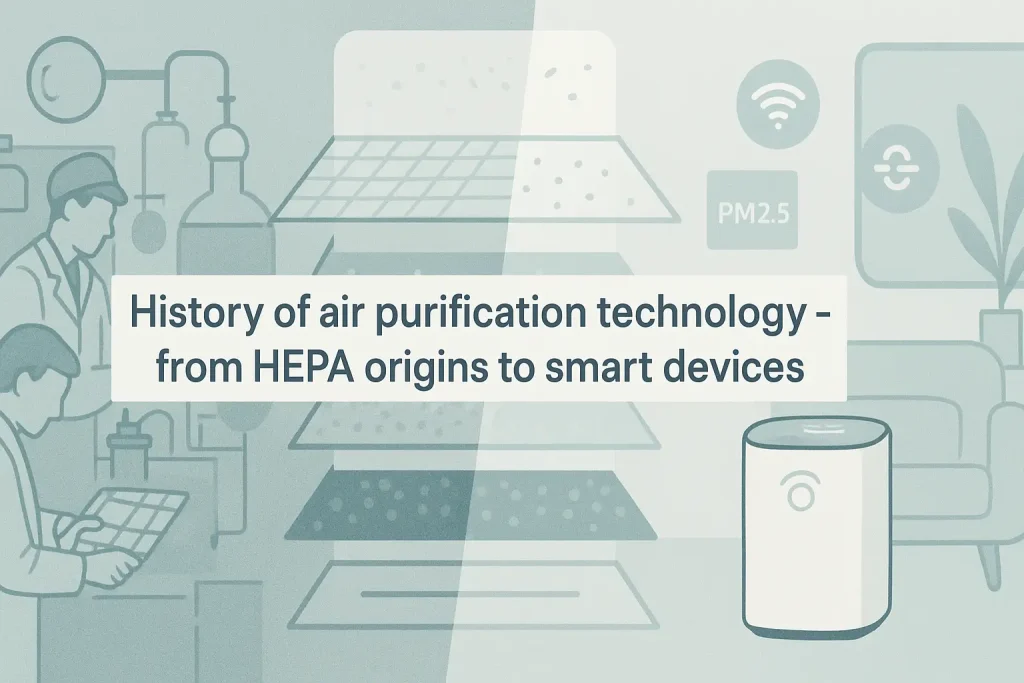
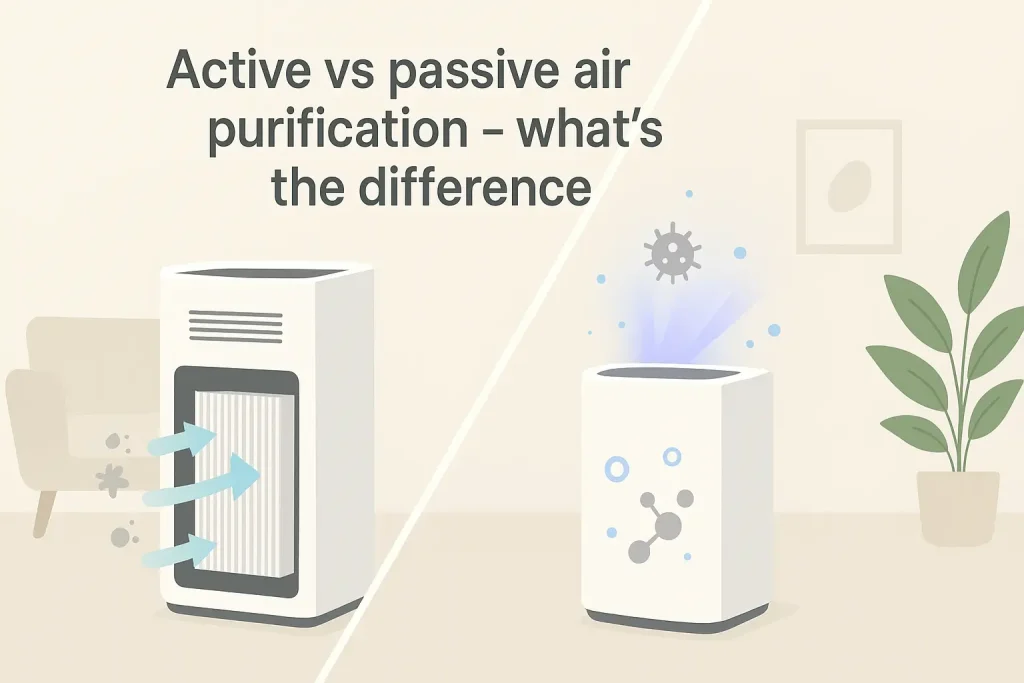
True HEPA filters capture airborne particles mechanically, while activated carbon traps chemical vapors through adsorption. You must match the purification method to the exact state of your indoor pollution to see real results.
Shop certified True HEPA air cleaners for basic filtration
Particulates vs Gases vs Biological Pollutants: The 3 States of Indoor Air
Every indoor contaminant exists as a solid particle, a chemical gas, or a living microbe. The state of matter dictates which filter media actually works.
Manufacturers often claim their single machine removes everything, which ignores basic physics. You need to understand the exact state of the pollutant to buy the right device.
| Photo | Popular Air Purifiers | Price |
|---|---|---|

|
Air Purifiers for Home Large Room up to 1500ft², Tailulu H13 True HEPA Air Purifier for Pets Dust Odor Smoke, Air Purifier for Bedroom with 15dB Quiet Sleep Mode for Bedroom Office Living Room | Check Price On Amazon |
|
Afloia Air Purifier for Home, 4-in-1 Washable Filter for Allergies, Covers Up to 1076 ft², Quiet Operation, Auto Shut-Off & Night Light, Removes Pet Dander, Pollen, Dust, Mold, and Smoke, White,Pluto | Check Price On Amazon |

|
Nuwave OxyPure ZERO Air Purifier with Washable and Reusable Bio Guard Tech Air Filter, Large Room Up to 2002 Ft², Air Quality Monitor, 0.1 Microns, 100% Capture Irritants like Smoke, Dust, Pollen | Check Price On Amazon |

|
Air Purifiers for Home Large Room Up to 1,996 Ft², EOEBOT Air Purifier for Home Pets with Washable Filter, Quiet Sleep Mode, Air Quality Monitor, Air Purifier for Bedroom, Pet Hair, Dust, Smoke, White | Check Price On Amazon |
|
Afloia 2 IN 1 Air Purifier with Humidifier Combo, 3-Stage Filters for Home Allergies Pets Hair Smoker Odors, Evaporative Humidifier, Auto Shut Off, Quiet Air Cleaner with Seven Color Light,White | Check Price On Amazon |
Particulate Matter (PM2.5, Allergens, Dust)
True HEPA (H13/H14) filters capture solid particles using a dense web of glass fibers. This standard removes at least ninety-nine point nine seven percent of dust mites and pollen at the most penetrating size of zero point three microns.
Particles do not chemically bind to filters. They simply get stuck through interception or diffusion. You must check for a MERV fourteen rating in your central HVAC system to complement your portable unit.
Read our complete guide to PM2.5 and safe indoor levels
Gaseous Pollutants (VOCs, Formaldehyde, Odors)
Chemical vapors float freely in your indoor air at the molecular level. A thick bed of activated carbon traps these gases through physical adsorption. The carbon acts like a sponge with billions of microscopic pores.
Standard charcoal pads inside cheap units saturate within weeks. You need at least two pounds of pelletized carbon to handle serious off-gassing from new furniture. Plain sheets fail rapidly in high-traffic homes.
Browse heavy-duty activated carbon filter models
Biological Contaminants (Mold, Bacteria, Viruses)
Living microbes and spores behave exactly like particles in the air stream. True HEPA captures them the same way it catches drywall dust. UV-C light at two hundred fifty-four nanometers disrupts their DNA to prevent reproduction.
UV light alone does nothing to the air circulating around the lamp. The microbes must actually pass directly through the light beam. Combine UV-C modules with mechanical filtration for proven biological control.
Review the evidence on HEPA filters and virus capture
Quick Reference
Air Purifier Terms Explained – Searchable Glossary
Definitions for every technical term used in this guide. Type to search.
A filter standard requiring capture of at least ninety-nine point nine seven percent of airborne particles at zero point three microns. Distinct from HEPA-type or HEPA-like filters, which are unregulated marketing terms.
A standardized metric measuring the volume of filtered air an air purifier delivers per minute. Certified separately for smoke, dust, and pollen. Smoke CADR is the most relevant value for fine particle protection.
The number of times per hour a device processes the entire volume of air in a room. Manufacturer coverage area claims use two ACH. Allergy guidelines recommend five ACH for clinical relief.
Gaseous chemicals emitted from paint, furniture, flooring, and cleaning products. Common examples include formaldehyde and benzene. Removed by activated carbon filtration rather than mechanical particle filters.
Certification confirming an air cleaner emits no more than zero point zero five zero ppm ozone. Required for legal sale in California and critical for safe indoor breathing environments.
Core Filtration & Purification Technologies Explained
Each air cleaning method targets a specific physical process. Understanding the underlying mechanism prevents you from buying empty marketing claims.
True HEPA relies entirely on mechanical interception. It captures fine smoke and mold spores with zero gas emission. This remains the only technology consistently certified for asthma relief.
Activated carbon operates through molecular bonding. The carbon surface area traps gas molecules until it reaches its saturation limit. Replace these filters every six months to prevent chemical off-gassing.
Photoelectrochemical oxidation breaks down volatile compounds into carbon dioxide and water vapor. Incomplete reactions sometimes release trace formaldehyde as a temporary byproduct. Only use these systems if they include robust secondary carbon staging.
Ozone generators intentionally create a strong oxidizing gas to mask stale air. The Environmental Protection Agency warns that ozone directly irritates lung tissue. Never buy a device that produces ozone in occupied living spaces.
View certified mechanical air purifier models
Pollutant-to-Technology Mapping Matrix
Use this table to match your exact pollution source to the correct removal method.
| Pollutant | Physical State | Primary Removal Method | Key Metric Requirement |
|---|---|---|---|
| Dust & Pollen | Solid Particle | True HEPA (H13/H14) | Pollen CADR above 120 CFM |
| PM2.5 & Wildfire Smoke | Ultrafine Particle | True HEPA + Pre-Filter | Smoke CADR above 200 CFM |
| Formaldehyde & Paint Fumes | Vapor Gas | Activated Carbon (2+ lbs) | Dwell time & carbon weight |
| Mold Spores | Biological Particle | True HEPA + Source Control | MERV 13 or True HEPA |
| Bacteria & Viruses | Bioaerosol | HePa Capture or UV-C | 254nm wavelength exposure |
Always verify independent testing data before relying on manufacturer marketing claims.
Check professional-grade air cleaners for mixed pollutants
Metrics That Dictate Real-World Removal Performance
The Clean Air Delivery Rate measures how fast a machine actually filters your room. Manufacturers rate three separate scores for smoke, dust, and pollen. Focus on the smoke CADR rating for the finest particle capture.
Room size calculations fail without an air change target. General use requires two air changes per hour. Allergy households need five air changes per hour, which cuts your effective coverage area by sixty percent.
Calculate your required CADR by multiplying room volume by five and dividing by sixty. This formula guarantees you hit the air change target for sensitive lungs.
CADR Calculator
How Much CADR Do You Actually Need?
Enter your room dimensions and use case. Formula: length times width times ceiling height times ACH divided by 60.
For allergy and asthma sufferers, always calculate at five ACH. Manufacturer coverage area claims use two ACH. The effective coverage drops to forty percent of the stated figure.
Step-by-Step: How to Choose the Right Air Purification Method
Identify your primary pollutant before looking at brands or smart features. Your health needs dictate the exact media type required.
Measure your longest room wall and ceiling height to calculate total cubic footage. Divide that number by twelve and multiply by five to find your minimum smoke CADR requirement. Round up to the nearest available model.
Learn about safe air purification methods for rented spaces
Check for an independent certification seal before purchasing. Look for California Air Resources Board compliance to guarantee low ozone output. Verify an Energy Star label if you plan to run the unit continuously.
Calculate the total operating cost, not just the sticker price. Filter replacements often cost more than the machine itself after two years. Budget models with expensive proprietary filters quickly lose their value.
Buying Guide
Before You Buy an Air Purifier – Complete Checklist
Check off each point before making your decision. Based on standard testing guidance.
Proven Air Purification Myths vs Scientifically-Backed Facts
Find certified allergy relief models under two hundred dollars
Myth vs Fact
Air Purifier Myths Debunked – What the Evidence Actually Shows
Separating fact from fiction on common misconceptions. Sources include EPA guidance and independent laboratory tests.
✗ Myth
Ozone generators sanitize indoor air and safely remove cooking smells without side effects.
✓ Fact
Ozone gas directly irritates lung tissue and fails to remove particles. Regulatory agencies explicitly warn against using ozone generators in occupied living spaces.
✗ Myth
Any carbon filter will permanently remove formaldehyde from new furniture and flooring.
✓ Fact
Only filter media containing at least two pounds of activated carbon or chemisorptive media traps formaldehyde effectively. Thin charcoal sheets saturate within a few days and release trapped gases back into the room.
✗ Myth
Houseplants naturally clean indoor air to hospital-grade safety levels.
✓ Fact
Botanical filtration requires hundreds of plants per room to match a single mechanical air cleaner. Root zone bacteria handle minor laboratory VOC tests, but standard homes need active mechanical filtration.
✗ Myth
Running the purifier on the lowest speed saves money while still cleaning the entire room.
✓ Fact
Low fan speeds drastically reduce cubic feet per minute output. Insufficient airflow leaves large pollution pockets untouched and drops your actual air change rate below the minimum two per hour requirement.
✗ Myth
Washing and reusing HEPA filters restores original particle capture efficiency.
✓ Fact
Water permanently damages the electrostatic charge and dense fiber matrix of true HEPA media. Washing creates microscopic gaps that allow fine particles and bacteria to bypass the filter entirely.
Frequently Asked Questions (FAQ)
What removes formaldehyde from indoor air best?
Activated carbon filters with at least two pounds of pelletized media remove formaldehyde through physical adsorption. You must pair this with a True HEPA stage to capture the solid dust particles that often surround the same chemical sources.
Formaldehyde molecules require massive surface area to trap effectively. Standard thin carbon sheets saturate in just a few days. You must choose a unit with a thick carbon bed or specialized chemisorptive media.
Source control remains more critical than filtration alone. Seal new furniture in a ventilated garage for two weeks before bringing it inside. Replace the carbon stage every three months during active off-gassing periods.
Shop heavy-duty carbon purifiers for chemical removal
Why does PM2.5 reduction drop after several months?
Filter pores gradually clog with trapped particles, which restricts airflow and lowers your effective CADR. A saturated True HEPA filter drops PM2.5 reduction from ninety-nine percent to below seventy percent in high-pollution zones.
Particle buildup creates physical resistance against the fan motor. The motor slows down, which pushes fewer cubic feet of air through the media stack. Your actual coverage area shrinks dramatically as the filter loads.
A three-hundred-square-foot room becomes unprotected if the CADR drops below one hundred ten CFM. Check your pressure drop sensor monthly during heavy usage seasons.
What CADR rating works during heavy wildfire smoke events?
You need a smoke CADR rating at least six hundred cubic feet per minute to maintain five air changes per hour during dangerous outdoor pollution levels. Run the purifier continuously on turbo mode and keep all exterior windows sealed.
Wildfire smoke contains ultrafine carbon particles below point-one microns. These particles slip through standard residential screens without heavy mechanical filtration. A single unit cannot cover a large open floor plan during active fire seasons.
Deploy multiple high-CADR machines in sleeping and living zones to create safe microclimates. Replace HEPA filters immediately once the fire season ends to prevent trapped chemicals from off-gassing back into your home.
At what point does a premium purifier become cheaper than a budget option?
Premium units typically reach the cost crossover point at month fourteen due to significantly lower annual filter replacement fees. The twenty-four month total cost drops by nearly one hundred fifty dollars compared to budget alternatives with expensive filter subscriptions.
Budget machines lure buyers with low upfront prices but charge forty dollars for every replacement filter. Premium brands use larger washable pre-filters and twelve-month HEPA stages to cut recurring expenses.
Calculate your three-year operating cost before checkout to avoid hidden expenses. Always compare the genuine five-year filter schedule against the initial purchase price.
How do I know exactly when to replace my air purifier filter?
Replace the media when the PM2.5 sensor shows a sustained twenty percent reduction drop or when the unit displays a red replacement indicator light. Do not wait until month eighteen if you run the device continuously in active households.
Factory timer settings only estimate usage time and ignore actual indoor pollution levels. High outdoor pollution days saturate filters twice as fast as normal operating conditions. Weigh your old filter if it feels heavy and brittle to the touch.
A loaded carbon stage smells sour and stops absorbing volatile organic compounds completely. Trust the sensor reading over the calendar date to guarantee consistent air cleaning performance.
Does a True HEPA filter remove pet odors alongside dander?
True HEPA only captures solid pet dander and trapped skin flakes with mechanical precision. It lacks a chemical stage to neutralize airborne protein odors from fur or litter boxes. You must pair HEPA with activated carbon to solve smell issues.
Protein-based smells behave as vapor molecules in your indoor air. Mechanical filtration does nothing against invisible chemical compounds. Choose a model with at least one pound of granular carbon to trap the odor molecules before they settle on walls.
Vacuum your furniture and floors weekly to reduce the overall pet allergen load in the room. Wash pet bedding regularly to minimize the source of the volatile proteins.
View air cleaners designed specifically for pet odors and dander
Can ionizers safely remove airborne viruses from bedroom air?
Ionization forces virus particles to settle on your floor but never removes them from the house completely. The charging process also releases trace ozone that triggers asthma flare-ups in sensitive individuals. True HEPA captures and traps these biological hazards permanently inside the filter.
Fallen viruses reactivate once the room air circulates again. Settling is not the same as removal or destruction. Disable the ionization feature on any multi-stage purifier if you share your bed with a child who has breathing problems.
Stick to mechanical filtration for guaranteed biological control without gas byproducts. Seal windows during flu season to limit pathogen entry.
What removal method eliminates cooking grease and burnt food smells fastest?
Kitchen odors require a dense activated carbon layer combined with high-velocity fan speeds to push air through quickly. Standard residential units struggle without supplemental ventilation. Open a window while frying to vent the heaviest grease plumes immediately.
Cooking smoke contains both fine particles and complex volatile oils. Both contaminant types overwhelm standard pre-filters within minutes of heavy use. Position a heavy-duty carbon unit at least three feet away from the stove burners.
Clean washable pre-filters monthly to maintain full airflow capacity to the main carbon bed. Keep the fan running for thirty minutes after meal preparation clears the lingering gases.
Why do some manufacturers claim a HEPA filter lasts five years?
Extended lifespan claims usually apply only to sealed laboratory testing environments with near-zero indoor pollution sources. Active households with smokers or heavy traffic outside saturate standard media in under eight months. Real-world replacement needs always outpace factory claims.
Filter manufacturers test longevity using pristine air chambers and minimal fan speeds. Your living room contains constant dust shedding from fabrics and skin cells. Trust your own air quality readings over warranty timelines when judging replacement needs.
Do standalone ozone generators actually clean chemical spills safely?
Ozone generators mask chemical odors through aggressive oxidation but leave harmful secondary residues behind. The California Air Resources Board explicitly bans these devices for occupied indoor spaces. Medical studies confirm ozone worsens chronic bronchitis and reduces lung capacity.
The oxidation process breaks chemical bonds indiscriminately in your home. This reaction creates new toxic compounds that stick to your carpet and furniture fabrics. Use professional-grade activated carbon for safe chemical remediation without health risks.
Evacuate the home completely if you ever deploy commercial ozone equipment. Ventilate the space thoroughly afterward to purge lingering oxidants.
Explore safe chemical filtration alternatives
Which air changes per hour target suits open-concept living spaces?
Large open layouts require a target of four to five air changes per hour to prevent stagnant pollution pockets from forming near furniture. Calculate your exact CADR using the full floor area and standard ceiling height.
Open spaces trap warm air near the ceiling while cold drafts linger near the floor. This vertical stratification slows natural contaminant mixing and removal. Place two identical purifiers on opposite walls to create a balanced cross-flow circulation pattern.
How does humidity affect activated carbon filter efficiency?
High relative humidity steals available carbon pore space because water vapor binds to the adsorption sites faster than target gases do. Keep indoor moisture levels below fifty percent to maximize chemical trapping capacity. Run a dehumidifier during monsoon seasons to protect filter performance.
Moisture saturation reduces the effective surface area of your carbon bed by nearly forty percent in tropical climates. Chemical breakthrough occurs much earlier than standard timelines predict. Monitor your hygrometer daily and adjust purifier placement away from humidifiers or damp basements.
Conclusion
True HEPA removes solid particles while activated carbon traps chemical gases and UV-C targets microbes effectively. Allergy sufferers must prioritize five air changes per hour with an officially certified machine. Wildfire residents should target high smoke CADR ratings with heavy carbon beds to handle both smoke and toxins. Measure your room volume today and calculate the exact CADR needed to protect your specific health condition.