Ionic air purifiers emit negatively charged ions to force airborne particles onto room surfaces rather than capturing them inside a physical filter. This process reduces airborne dust by approximately thirty to sixty percent in controlled lab tests but leaves the actual pollutants sitting on your furniture and walls.
The real risk comes from ozone, a known lung irritant that these devices produce as a chemical byproduct. You can use them safely only if the unit carries CARB certification and strictly stays below the zero point zero five parts per million ozone limit.
How Do Ionizer Air Purifiers Work?
These devices use a process called corona discharge to strip electrons from oxygen molecules in your room air. The resulting negative ions attach directly to airborne particles like dust, pollen, and pet dander.
Charged particles become heavier through a process called particulate agglomeration. Gravity then pulls them out of the breathing zone and down to your floors and ceiling surfaces.
| Photo | Popular Air Purifiers | Price |
|---|---|---|

|
Air Purifiers for Home Large Room up to 1500ft², Tailulu H13 True HEPA Air Purifier for Pets Dust Odor Smoke, Air Purifier for Bedroom with 15dB Quiet Sleep Mode for Bedroom Office Living Room | Check Price On Amazon |
|
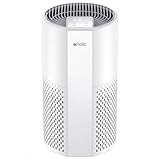
Afloia Air Purifier for Home, 4-in-1 Washable Filter for Allergies, Covers Up to 1076 ft², Quiet Operation, Auto Shut-Off & Night Light, Removes Pet Dander, Pollen, Dust, Mold, and Smoke, White,Pluto | Check Price On Amazon |

|
Nuwave OxyPure ZERO Air Purifier with Washable and Reusable Bio Guard Tech Air Filter, Large Room Up to 2002 Ft², Air Quality Monitor, 0.1 Microns, 100% Capture Irritants like Smoke, Dust, Pollen | Check Price On Amazon |

|
Air Purifiers for Home Large Room Up to 1,996 Ft², EOEBOT Air Purifier for Home Pets with Washable Filter, Quiet Sleep Mode, Air Quality Monitor, Air Purifier for Bedroom, Pet Hair, Dust, Smoke, White | Check Price On Amazon |
|
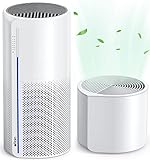
Afloia 2 IN 1 Air Purifier with Humidifier Combo, 3-Stage Filters for Home Allergies Pets Hair Smoker Odors, Evaporative Humidifier, Auto Shut Off, Quiet Air Cleaner with Seven Color Light,White | Check Price On Amazon |
The purifier does not actually remove contaminants from your home. It simply moves them from the air to your walls and carpets where they can be kicked back up later. You must understand this fundamental limitation before trusting your indoor air quality to an ionic system.
Understanding how your chosen technology handles specific pollutants helps you size your setup correctly. You can find the exact formulas for your space in our guide on air changes per hour requirements.
View CARB certified ionic air purifiers
Needle-Point (Unipolar) vs. Bipolar Ionization
Needle point ionization uses a single charged electrode to shoot negative ions into the room. This older unipolar design relies entirely on passive gravity to clear the air and often struggles to reach all corners of a space.
Bipolar ionization pushes both positive and negative ions through the air duct or standalone unit housing. This dual charge creates faster particle clumping and some manufacturers claim it breaks apart virus shells.
The efficacy difference is significant in open floor plans. Unipolar units rarely charge enough particles in rooms larger than two hundred square feet. Bipolar systems perform better when integrated into HVAC airflow because the forced ventilation moves every charged particle toward a collection surface.
Marketing names like PlasmaWave simply reference a specific bipolar configuration. The underlying physics remains identical across all branded versions. You should always check the technical specs for the actual ionization method rather than trusting proprietary trade names.
Compare bipolar ionization models
Scientific Evidence on Air Cleaning Efficacy
Air Quality Data
Ionizer Air Purification – What the Research Shows
Sources: EPA Indoor Air Division, CARB Testing Protocols, Journal of Exposure Science
Independent testing consistently shows measurable airborne particle reduction within closed chambers. These laboratory environments control airflow perfectly and eliminate drafts that scatter charged dust.
Real world performance drops sharply when you open a door or run a ceiling fan. The charged particles settle onto your surfaces instead of leaving the room entirely. You will simply clean your baseboards more often without actually improving your long term respiratory environment.
CADR ratings measure actual clean air delivery through a physical medium. Pure ionizers lack standardized smoke or pollen CADR ratings because they do not filter. You should verify the exact CADR numbers on any hybrid device before purchasing.
Lab Results vs. Real-World Performance (Particle Deposition Limits)
Airflow patterns in residential construction defeat the passive settling model ionizers rely on. Standard rooms experience constant convection currents from heating vents and temperature changes.
These currents easily lift settled particles back into the breathing zone after just a few hours. Your indoor particulate levels return to baseline much faster than static lab reports suggest.
You cannot rely on surface deposition for true indoor air quality management. Active air capture through mechanical filtration provides permanent contaminant removal. We recommend cross referencing your needs with our complete guide to indoor air quality standards.
Browse true HEPA air purifiers
Ozone Emissions, Lung Health & Safety Risks
Ozone is the unavoidable chemical byproduct of high voltage corona discharge in ionic systems. Your lungs absorb this reactive gas directly during every breath cycle. The tissue damage occurs through oxidative stress on the delicate bronchial lining.
Sustained exposure above zero point zero two ppm triggers measurable airway inflammation in sensitive individuals. Asthma patients and people with chronic obstructive pulmonary disease experience immediate symptom escalation. The American Lung Association explicitly warns against continuous ozone exposure in sleeping environments.
Ozone also reacts with common household chemicals to create formaldehyde and ultrafine particles. This secondary pollutant formation actually worsens your indoor air quality. Turning on an unverified ionizer might spike your exposure levels while providing minimal PM2.5 reduction.
View ozone-free certified air cleaners
CARB & EPA Regulatory Standards for Ozone Limits
The California Air Resources Board mandates a strict zero point zero five ppm ozone limit for any device sold to consumers within their jurisdiction. Manufacturers must submit their units for independent chamber testing to earn CARB certification. You can verify compliance directly through the official CARB registry before making a purchase.
The EPA maintains a firm stance against ozone generators intended for occupied residential use. Federal guidance clearly separates CARB compliant ionizers from high output ozone generators. You must never run an ozone generator in a room where people or pets are sleeping.
Regulatory compliance protects your health but does not guarantee optimal air cleaning. A device can pass the ozone limit while failing to deliver meaningful CADR values. You should always prioritize mechanical filtration performance over passive ionic claims.
Check your current indoor safety thresholds with our EPA and WHO air safety guideline summary.
Ionizer vs. HEPA vs. Activated Carbon: Which Actually Cleans Air?
Product Comparison
Ionizer vs True HEPA vs Activated Carbon – Side by Side
Detailed spec comparison including particle capture, gas removal, ozone output, and maintenance requirements.
| Spec | Ionic / Bipolar | True HEPA | Activated Carbon |
|---|---|---|---|
| Primary Cleaning Method | Electrostatic Deposition | Mechanical Interception | Chemical Adsorption |
| Smoke CADR (CFM) | Not Standardized | 100-500+ CFM | N/A (Gas Removal) |
| Particle Removal Efficiency | 0% Permanent | ≥99.97% at 0.3μm | 0% for Particle Capture |
| VOC & Odour Removal | None | None Without Carbon | High (Depends on Weight) |
| Ozone Emission Risk | Trace to High | Zero | Zero |
| Maintenance Requirement | Frequent Surface Wiping | Filter Replacement Every 6-12 Mo | Bed Recharging or Replacement |
| Editorial Verdict | Supplemental Only | Best for Allergies | Essential for VOCs |
Data compiled from AHAM certified CADR database and EPA indoor air guidance. CARB certification ensures ozone stays below 0.050 ppm for all listed devices.
True HEPA filtration captures particles inside a dense fiber matrix. The mechanical design guarantees removal efficiency regardless of room airflow patterns or humidity levels. You achieve permanent contaminant elimination rather than temporary suspension.
Activated carbon works through microscopic pore adsorption. The charcoal structure traps gas molecules like formaldehyde and cooking fumes. You must pair a heavy carbon bed with a HEPA stage for comprehensive indoor air management.
Ionizers cannot compete with physical filtration for actual air cleaning performance. They only supplement gravity in specific controlled environments. We maintain a list of verified value options in our guide to the best air purifier for the money.
Shop the Coway AP-1512HH
Compare the Winix 5500-2
Myths vs. Facts About Negative Ion & Plasma Devices
Myth vs Fact
Air Purifier Myths Debunked – What the Evidence Actually Shows
Separating fact from fiction on the most common ionizer misconceptions. Sources: EPA, AHAM, American Lung Association
✗ Myth
Ionizers physically remove dust and allergens from your home completely.
✓ Fact
Ionic devices only force particles onto your floors and walls through electrostatic settling. You must physically wipe those surfaces to prevent the dust from reentering the air later.
✗ Myth
Filterless air cleaners require absolutely zero maintenance over time.
✓ Fact
The absence of a physical filter means you must clean your room surfaces much more frequently to manage the accumulated particulate matter.
✗ Myth
All negative ion generators are completely safe for asthma sufferers.
✓ Fact
Corona discharge generates trace ozone that triggers bronchial inflammation at sustained concentrations above zero point zero two ppm. Asthma patients must verify CARB compliance before use.
Marketing materials frequently blur the line between true filtration and atmospheric ionization. You need to understand the difference to protect your respiratory health effectively. Always read the technical specifications sheet rather than relying on promotional claims.
Safety certifications exist to protect consumers from unverified ozone generation. You can find compliant quiet models in our best picks for home offices.
Safe Usage Guidelines: Placement, Ventilation & Maintenance
Strategic placement determines how well charged particles actually settle away from your breathing zone. You must position ionic units away from high traffic pathways and ceiling fans.
Keep the device at least three feet from your bed or primary seating area. This distance minimizes direct ozone inhalation during prolonged exposure. Open windows create natural dilution that prevents ozone accumulation.
Maintenance focuses heavily on surface cleaning rather than internal filter changes. Wipe down floors and countertops with a damp microfiber cloth at least twice weekly. Dry sweeping kicks settled particles right back into the air you breathe.
Proper ventilation rates drastically improve safety margins for ozone producing devices. Calculate your specific room requirements using our ACH calculation guide.
Explore the Levoit Core 400S
View the Blueair Blue Pure 211+
Bottom Line & Verified Alternatives
Ionic air purification moves particles from the air to your surfaces without capturing them. The technology fails to deliver permanent indoor air quality improvement. CARB certified units provide acceptable ozone safety but limited cleaning power. Your health depends on active filtration rather than passive settling.
Mechanical HEPA air cleaners outperform ionizers across every meaningful metric. You get verified CADR ratings and permanent contaminant elimination without secondary chemical risks. The initial purchase price pays for long term respiratory safety.
Check your purchase eligibility through our FSA and HSA eligibility guide before ordering.
Seasonal preparation requires reliable equipment that meets clinical standards. You should review our allergy season timing guide to optimize your schedule. Run a HEPA unit at five ACH to guarantee safe indoor conditions year round.
Buying Guide
Before You Buy an Air Purifier – Complete Checklist
Check off each point before making your decision. Based on AHAM and EPA buying guidance.
Check the RabbitAir MinusA2
View IQAir HealthPro units
Browse Austin Air HealthMate filters
Frequently Asked Questions (FAQ)
Do ionizer air purifiers actually remove dust from a room permanently?
Ionizers do not remove dust permanently because they rely on gravity instead of physical capture. The charged particles simply stick to your walls and floors. You must clean those surfaces regularly to stop the dust from reentering your breathing zone.
Are ionic air cleaners safe for babies and young children?
Safety depends entirely on the specific ozone output of the unit. You must verify CARB certification to ensure emissions stay below zero point zero five parts per million. We strongly recommend True HEPA units with zero ozone generation for nursery environments.
Do ionizers kill airborne viruses and bacteria?
Some bipolar systems claim pathogen inactivation through chemical oxidation in lab tests. Real world efficacy drops sharply without high ventilation rates and verified contact time. Mechanical filtration remains the clinically proven method for reducing viral load in occupied spaces.
Can a pure ionizer replace a HEPA filter for allergy control?
No. Pure ionizers lack the physical interception needed to trap allergens permanently. Your allergy symptoms will likely return as settled particles circulate back into the air. A True HEPA filter guarantees ninety-nine point nine seven percent capture efficiency at the most penetrating particle size.
How much ozone do modern air ionizers actually produce?
CARB certified consumer models emit trace amounts capped at zero point zero five ppm. Non certified units or older designs can easily exceed safe thresholds during continuous operation. Always check the independent testing report for exact ozone measurements before purchase.
Why does my room feel stuffy when running an ionic cleaner?
Ozone accumulation combined with poor ventilation creates that heavy air sensation. The chemical reaction also generates secondary particulates that reduce perceived freshness. Open a window or run an exhaust fan to flush out the stagnant air immediately.
Do filterless ionizers really require zero maintenance over their lifespan?
Filterless only means you skip internal part replacements. You must increase your surface cleaning frequency to manage the settled contaminants effectively. Dust mops and damp rags become your new primary maintenance tools.
Is it better to buy a standalone ionizer or a HEPA combo unit?
HEPA combo units with an optional ionizer feature provide the safest performance balance. You can disable the ionic switch during wildfire smoke events to eliminate ozone risk entirely. The mechanical filter stage handles the heavy lifting regardless of your settings.
What is the ideal fan speed for reducing ozone buildup safely?
Higher fan speeds dilute ozone faster than low sleep modes. Running the unit on medium maximizes room air circulation and prevents chemical concentration near your face. Pair the fan with open windows for the best indoor air exchange rate.
How do I know if my ionizer is CARB certified?
Check the official CARB online registry for the exact model number. Genuine certification labels appear directly on the product packaging or user manual. Uncertified devices often omit compliance claims to bypass strict emission testing.
Will an ionizer help with mold spores in a damp basement?
Ionic settling removes spores from the air but leaves active colonies untouched on wet surfaces. You must fix the underlying moisture problem to stop mold growth completely. A True HEPA unit with UV-C light provides better spore capture without adding humidity.
Understanding the technical limits of ionic technology protects your long term respiratory health. Always prioritize verified CADR data and CARB compliance over passive marketing claims. Choose mechanical filtration for permanent indoor air quality control.